

As artificial intelligence, cloud computing, and hyperscale digital infrastructure continue expanding worldwide, data centres are facing growing pressure to reduce their environmental impact. What was once considered a niche sustainability challenge has now become a major business priority for logistics providers, infrastructure operators, and global tech companies alike.
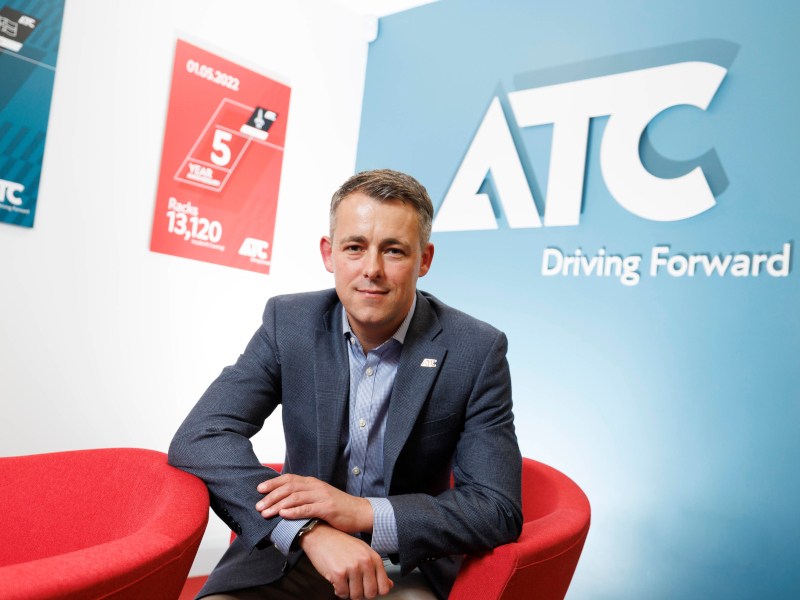
One company positioning itself at the center of this transformation is ATC Computer Transport & Logistics, an Irish data centre logistics specialist focused on helping hyperscale operators decarbonise their supply chains through green transport technologies and low-emission infrastructure.
The shift reflects a broader trend reshaping the global digital economy: the future of data infrastructure will not only be measured by speed and scale — but also by sustainability.
The Hidden Carbon Cost of the AI Boom
The rise of AI-powered services, cloud computing, and large-scale digital platforms has triggered an unprecedented global expansion in data centre construction. Governments and private investors are pouring billions into new digital infrastructure to support growing demand for computing power.
But this rapid growth comes with a major environmental challenge.
Data centres require enormous amounts of electricity, cooling systems, server transportation, installation logistics, and supply chain coordination. Analysts estimate the sector’s carbon footprint could grow dramatically over the next decade as AI workloads continue scaling globally.
As a result, sustainability is becoming a critical competitive factor across the entire data centre ecosystem.
ATC’s Green Logistics Strategy
ATC has been investing heavily in environmentally focused logistics solutions aimed at reducing emissions across data centre operations. The company says its long-term objective is to support “zero-emission delivery and installation” of data centre equipment while helping hyperscale clients lower their supply chain emissions.
Its sustainability strategy includes:
- Battery-electric heavy goods vehicles (HGVs)
- Charging infrastructure at logistics depots
- Hydrotreated vegetable oil (HVO100) fuel adoption
- Low-emission transport systems
- Sustainable recycling and decommissioning services
- Energy-neutral operational hubs
According to the company, approximately 30% of its fleet has already transitioned to zero-tailpipe-emission vehicles, while HVO100 fuel usage has significantly reduced on-road emissions compared to traditional diesel systems.
ATC also plans to align with broader ESG and carbon reporting standards as part of its sustainability roadmap.
Why Supply Chains Matter in Data Infrastructure
While conversations around sustainable technology often focus on renewable-powered data centres, supply chains are emerging as another major source of emissions.
Transporting servers, cooling systems, network equipment, and large-scale infrastructure across international markets generates significant carbon output. Companies serving hyperscale operators are now being pushed to redesign logistics operations around greener technologies and more efficient transportation systems.
This has created new opportunities for logistics firms capable of combining technical expertise with sustainability-focused operations.
In many ways, the next phase of the data centre industry may depend just as much on logistics innovation as on computing innovation.
The Business Opportunity Behind Sustainability
The push toward greener digital infrastructure is creating a massive market opportunity.
Governments worldwide are tightening climate regulations, institutional investors are prioritizing ESG performance, and global tech companies are under pressure to meet ambitious carbon neutrality targets.
Businesses that can help reduce emissions across infrastructure, transportation, energy management, and supply chain operations are likely to become critical partners in the digital economy.
ATC’s recent investments in electric fleet technology and sustainable logistics infrastructure highlight how traditional industrial businesses are evolving into climate-focused technology partners.
Challenges Still Remain
Despite progress, decarbonising the data centre sector remains difficult.
AI-driven infrastructure requires enormous amounts of reliable, always-on power, and industry leaders continue debating how renewable energy systems can support 24/7 digital operations at scale.
There are also concerns about grid capacity, rising energy demand, water usage, and the long-term environmental impact of hyperscale AI facilities. Some analysts believe infrastructure growth could outpace renewable energy expansion in certain regions.
Still, most experts agree the transition toward greener infrastructure is inevitable.
Why Entrepreneurs Should Pay Attention
The global shift toward sustainable digital infrastructure is opening entirely new business categories.
From green logistics and battery technology to AI-efficient cooling systems and renewable-powered infrastructure, entrepreneurs now have opportunities to build businesses around the future of low-carbon computing.
As AI adoption accelerates worldwide, the companies that solve the environmental challenges behind digital infrastructure could become some of the most valuable players in the next generation of technology.





Leave a Reply